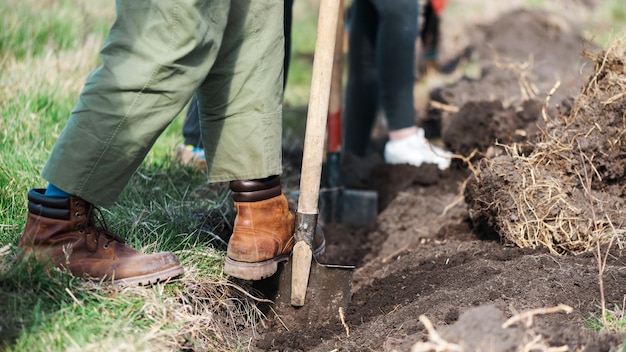
Soil stabilization is a pivotal process in construction and environmental preservation that enhances soil’s physical properties to support structures and prevent erosion. As urban development expands, ensuring the integrity and longevity of building foundations becomes crucial. Trusted soil stabilization services employ a range of techniques to improve soil strength, reduce swelling and shrinkage, and control soil movement. These services are essential for both new construction projects and the reinforcement of existing infrastructures.
Understanding Soil Stabilization
Soil stabilization involves the application of controlled materials or mechanical processes that transform weak soil into a more reliable and structurally sound foundation. This process is essential in areas prone to soil instability, where it can prevent costly damages and ensure safety.
Common Techniques
- Chemical Stabilization: Involves the use of chemical additives like lime, cement, or fly ash to enhance soil properties. This method is effective in reducing soil plasticity and increasing load-bearing capacity.
- Mechanical Stabilization: Physical methods such as compaction or the use of geosynthetics to improve soil density and structural integrity.
- Biological Stabilization: Utilizes plants and organic materials to stabilize soil through root systems and organic decomposition. This environmentally friendly approach can be particularly beneficial in erosion-prone areas.
For further insights into these methods, explore advanced guides and tips on soil stabilization techniques.
Benefits of Professional Soil Stabilization
Deploying professional soil stabilization services offers a multitude of advantages, particularly for construction projects in challenging geographies. These benefits include:
- Enhanced Load-Bearing Capacity: Stabilized soil can support more substantial structures, reducing the risk of settling or structural failure.
- Improved Durability: Treated soils are less susceptible to weather changes and erosion, ensuring long-term stability.
- Cost Efficiency: While there is an upfront cost, the reduction in maintenance and repair needs offers significant savings over time.
- Environmental Protection: Techniques like biological stabilization help in conserving natural landscapes and preventing habitat loss.
For those interested in leveraging these benefits, learn about our tailored solutions to meet specific project needs.
When to Consider Soil Stabilization Services
Soil stabilization should be considered in various scenarios to ensure the safety and success of construction efforts. Situations that typically necessitate these services include:
- Building on Expansive Soils: Areas with clay-rich soils that expand and contract significantly with moisture changes.
- Coastal or Flood-Prone Areas: Locations where water levels and tides can cause soil erosion or instability.
- High-Traffic Zones: Roads and highways that require a solid foundation to withstand constant use and heavy loads.
- Land Reclamation Projects: Sites where land is being developed for new uses, often requiring significant ground preparation.
To determine the appropriateness of soil stabilization for a particular project, find out more about this approach and its applications.
Conclusion
Incorporating trusted soil stabilization services into construction and land development projects is vital for ensuring stability and longevity. By improving soil properties, these services not only protect investments but also contribute to sustainable development practices. Whether dealing with expansive soils or constructing in challenging environments, professional soil stabilization provides a reliable solution to modern engineering challenges. To discover expert strategies here and ensure the success of future projects, engaging with experienced professionals is highly recommended.