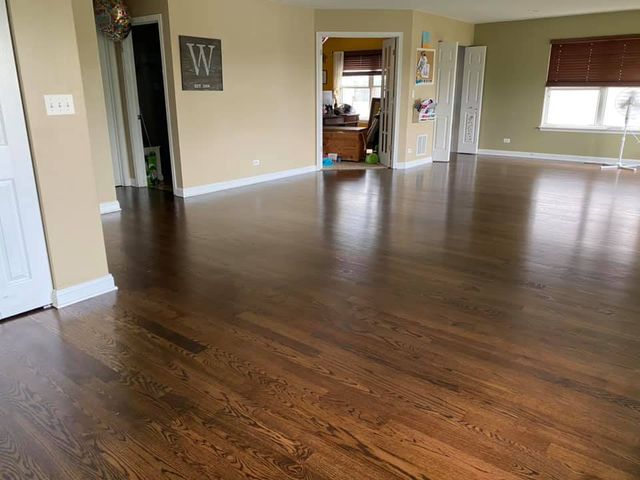
Hardwood floors are a timeless and elegant choice that adds warmth and character to any space. Over time, however, even the most well-maintained hardwood floors can begin to show signs of wear and tear. Scratches, dents, and fading can diminish their original beauty. This is where hardwood floor resanding comes into play. By carefully removing the top layer of the wood, resanding can restore the original luster and charm of your floors, bringing them back to life.
Understanding the Process of Hardwood Floor Resanding
Resanding hardwood floors involves several critical steps to ensure the best results. Understanding these steps can help in appreciating the complexity and expertise required in the process.
Initial Assessment
Before beginning the resanding process, it is essential to conduct a thorough assessment of the floor’s condition. This involves:
- Identifying deep scratches and gouges that may require extra attention.
- Checking for loose or damaged boards that need repair or replacement.
- Assessing the overall wear pattern to determine the best resanding approach.
For detailed information on assessing your floor’s condition, read more about this topic.
Sanding the Surface
The core of the resanding process is the sanding itself, which involves:
- Using coarse-grit sandpaper to remove the surface layer, including old finish and minor imperfections.
- Progressing to finer grits to smooth the surface, preparing it for finishing.
- Ensuring even sanding across the floor to maintain a consistent appearance.
Each stage of sanding is crucial to achieving a flawless surface. Explore further insights here for a deeper understanding of sanding techniques.
Finishing Touches
Once sanding is complete, the floor is ready for finishing, which includes:
- Applying a stain if desired to enhance the wood’s natural color or change its hue.
- Sealing the floor with a protective clear coat, which guards against future damage.
- Ensuring the finish is applied evenly to prevent streaks or blotches.
Finishing is as much an art as it is a science. Learn more in this detailed guide about choosing the right finish for your hardwood floors.
Benefits of Hardwood Floor Resanding
Resanding offers numerous advantages that extend beyond mere aesthetics. Some of these benefits include:
- Longevity: Regular maintenance through resanding can significantly extend the life of hardwood floors.
- Value Addition: Restored floors can enhance the value of a property, making it more appealing to potential buyers.
- Cost Efficiency: Resanding is often more cost-effective than full floor replacement.
To gain a comprehensive understanding of these benefits, find additional information here.
Considerations Before Resanding
Before diving into the resanding process, consider the following factors:
- Type of Wood: Some woods may respond differently to resanding, requiring specialized techniques.
- Previous Finishes: The presence of certain types of finishes can impact the resanding approach.
- Professional Expertise: Hiring skilled professionals can ensure high-quality results and minimize the risk of damage.
For further guidance on preparing for resanding, read more about this topic.
In conclusion, hardwood floor resanding is an excellent way to rejuvenate worn-out floors, restoring them to their former glory. By understanding the process and benefits, and considering the necessary factors, homeowners can make informed decisions that preserve the beauty and value of their hardwood flooring. For those interested in exploring this option further, explore further insights here.