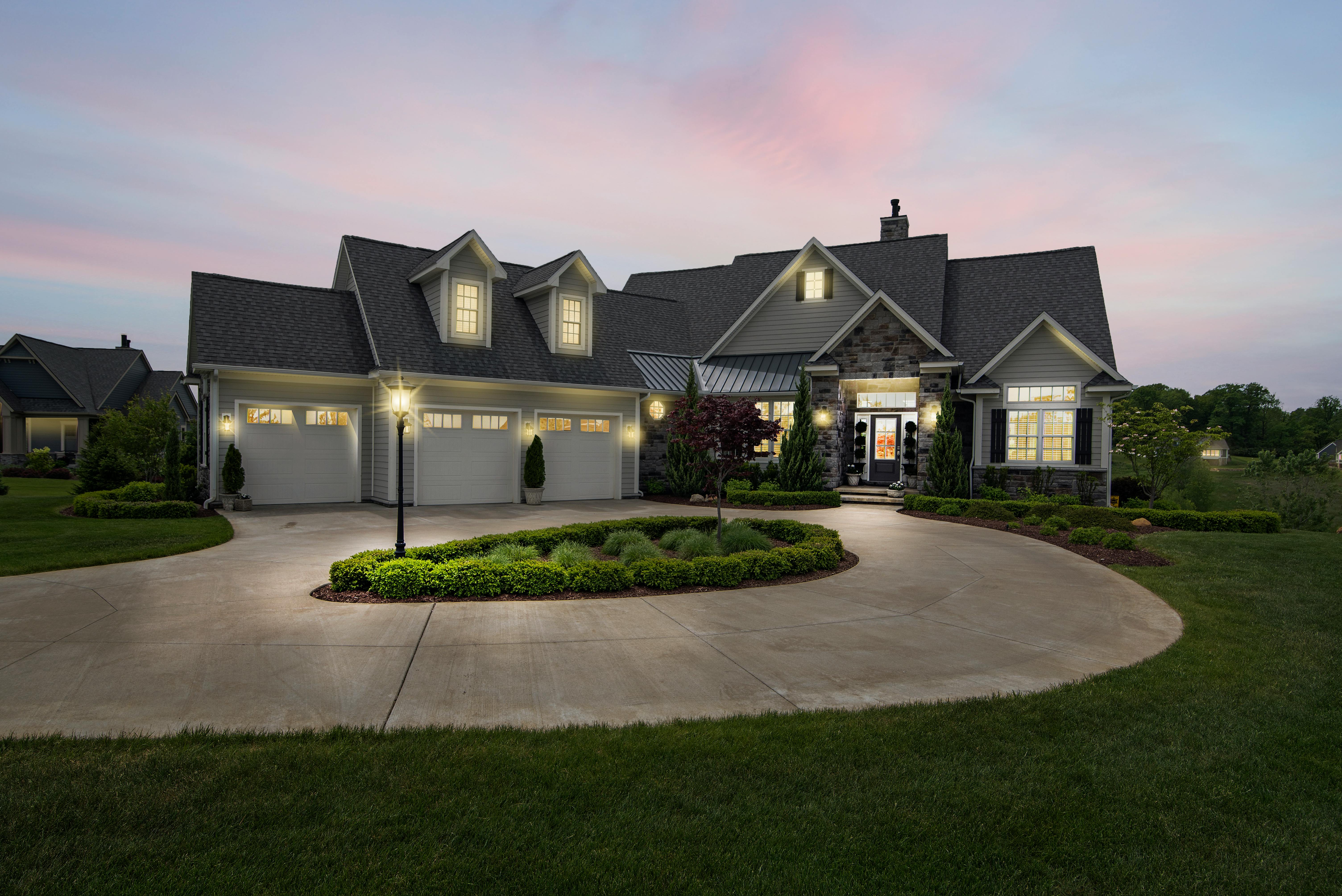
The essence of residential architecture design lies in its ability to harmoniously blend beauty with functionality. This intricate balance is pivotal in ensuring that homes not only provide shelter but also enrich the lives of their inhabitants. The design process involves a deep understanding of the client’s needs, preferences, and lifestyle, coupled with an acute awareness of environmental factors. This approach results in a living space that is both aesthetically pleasing and highly functional.
Key Principles of Residential Architecture Design
In the realm of residential architecture, several key principles guide the design process. Understanding these principles is crucial for creating spaces that stand the test of time.
Balance and Proportion
Achieving a sense of balance and proportion is fundamental in residential design. This involves:
- Ensuring that all elements of the design are in harmony with each other.
- Using scale to create visual interest and a sense of order.
- Incorporating symmetry to produce a calming and pleasing aesthetic.
For those looking to delve deeper into achieving balance in residential design, discover expert strategies here.
Functionality
Functionality is the cornerstone of any successful residential design. A home must cater to the needs of its occupants while being adaptable to future changes. Key considerations include:
- Creating versatile spaces that can serve multiple purposes.
- Ensuring ease of movement and accessibility throughout the home.
- Incorporating storage solutions that are both practical and unobtrusive.
To explore advanced guides and tips on enhancing functionality, explore advanced guides and tips.
Incorporating Modern Trends
Residential architecture is continuously evolving, with new trends emerging that reflect changes in lifestyle, technology, and environmental consciousness. Staying abreast of these trends is essential for creating homes that are both modern and enduring.
Sustainability
Sustainable design is no longer a luxury but a necessity. It involves:
- Utilizing environmentally friendly materials and construction methods.
- Incorporating energy-efficient systems and appliances.
- Designing with passive solar principles to reduce energy consumption.
For those interested in sustainable design practices, find out more about this approach.
Smart Home Technology
The integration of smart technology in residential design enhances comfort and convenience. Key elements include:
- Automated lighting and climate control systems.
- Security systems that can be monitored and controlled remotely.
- Voice-activated devices for seamless interaction with home systems.
To learn about tailored solutions that incorporate smart technology, learn about our tailored solutions.
Conclusion
Residential architecture design is a multifaceted discipline that requires a careful balance of beauty and functionality. By adhering to fundamental principles and embracing modern trends, architects can create homes that are not only visually stunning but also highly practical and sustainable. For more insights into effective residential design, explore advanced guides and tips.