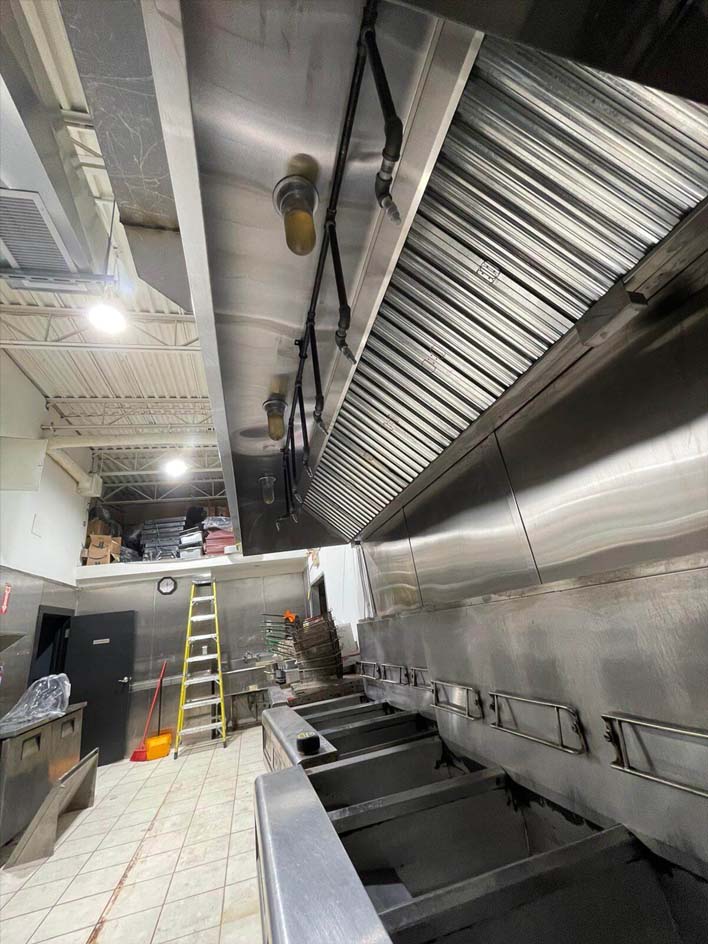
Indoor air quality is a critical factor in the health, comfort, and efficiency of any culinary environment. Whether the space is a bustling restaurant, a small caf??, or a home kitchen, the buildup of heat, smoke, grease, and odors can quickly degrade the atmosphere, leading to discomfort for staff and patrons alike. Effective kitchen ventilation not only removes contaminants but also helps maintain temperature control, reduces fire hazards, and supports compliance with local health regulations. This article explores the key principles, technologies, and best-practice strategies that can transform a kitchen’s air handling system into a reliable partner for cleaner, safer indoor air.
Why Kitchen Ventilation Matters
Ventilation is more than just a fan on the wall; it is a comprehensive system designed to capture and expel airborne pollutants at their source. The primary benefits include:
- Health Protection: Removes particulate matter, carbon monoxide, and volatile organic compounds that can cause respiratory issues.
- Fire Safety: Grease-laden air is a major fire risk; proper extraction reduces accumulation on surfaces and ducts.
- Energy Efficiency: By controlling temperature and humidity, ventilation lessens the load on HVAC units.
- Regulatory Compliance: Many jurisdictions require specific exhaust rates and filtration standards for commercial kitchens.
Core Components of an Effective System
Exhaust Hoods and Capture Devices
The first line of defense is a well-designed hood that captures fumes directly above cooking appliances. Key considerations include hood size, shape, and placement relative to burners and ovens. For detailed design guidelines, Discover expert strategies here.
Makeup Air Supply
When large volumes of air are exhausted, fresh air must be introduced to maintain pressure balance. A dedicated makeup air unit prevents negative pressure that could draw contaminants back into the kitchen or adjacent spaces.
Filtration and Grease Removal
High-efficiency filters trap grease particles before they reach the ductwork. Regular cleaning schedules are essential to prevent buildup that can impede airflow and become a fire hazard.
Design and Installation Best Practices
Implementing a ventilation system that delivers consistent performance requires attention to several design principles:
- Calculate the required airflow in cubic feet per minute (CFM) based on the type and number of cooking equipment.
- Ensure duct runs are as short and straight as possible to minimize pressure loss.
- Use stainless-steel or galvanized steel ducts with smooth interiors to reduce resistance.
- Incorporate fire dampers and automatic shut-off controls for added safety.
- Coordinate with HVAC engineers to integrate makeup air and exhaust for balanced operation.
Maintenance Strategies for Longevity
Even the most sophisticated system will falter without regular upkeep. A proactive maintenance plan should include:
- Monthly visual inspections of hoods, filters, and duct interiors.
- Quarterly professional cleaning of grease traps and ductwork.
- Annual performance testing to verify that airflow meets design specifications.
- Documentation of all service activities to support compliance audits.
For a comprehensive checklist, Learn about our tailored solutions that align with industry standards.
Emerging Technologies Enhancing Air Quality
Advancements in sensor technology and smart controls are reshaping how kitchens manage ventilation:
- Variable Air Volume (VAV) Controls: Adjust exhaust rates in real time based on heat and smoke detection.
- IoT-Enabled Monitoring: Remote dashboards provide alerts for filter clogs or airflow deficiencies.
- Electrostatic Pre-Filters: Capture ultrafine particles that traditional filters may miss.
- Heat Recovery Ventilators (HRVs): Reclaim energy from exhausted air, reducing utility costs.
To explore these innovations further, Explore advanced guides and tips that illustrate practical applications.
Cost Considerations and Return on Investment
While initial installation can represent a notable expense, the long-term savings often outweigh the upfront cost:
- Reduced energy consumption from balanced HVAC operation.
- Lower insurance premiums due to enhanced fire safety.
- Decreased staff sick days and turnover from healthier air.
- Extended equipment lifespan thanks to cooler operating temperatures.
Understanding the financial impact helps decision-makers justify investments. Find out more about this approach and see case studies that quantify the benefits.
Conclusion
Improving air quality through thoughtful kitchen ventilation is a multifaceted effort that blends engineering, maintenance, and emerging technology. By selecting the right capture devices, ensuring adequate makeup air, and committing to a disciplined service schedule, kitchens can achieve cleaner air, safer operations, and measurable cost savings. The expertise available through specialized resources provides the roadmap needed to design, install, and sustain systems that meet both performance expectations and regulatory demands. Embracing these practices positions any culinary operation to thrive in a healthier, more efficient environment.