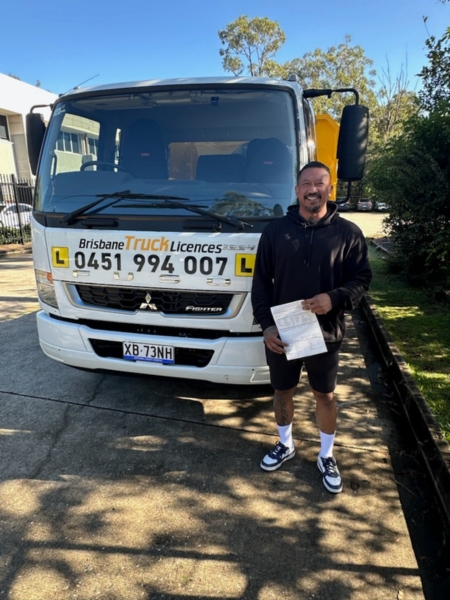
In the bustling world of logistics and warehousing, the efficiency of operations is often determined by the skill and expertise of forklift operators. In Brisbane, investing in comprehensive forklift training is a critical step toward ensuring safety, maximizing productivity, and minimizing downtime. With the right training, operators can not only enhance their operational skills but also contribute significantly to the overall effectiveness of the workplace. This article delves into the components of expert forklift training in Brisbane and how it can transform warehouse operations.
The Importance of Forklift Training
Proper forklift training is essential for a variety of reasons. Ensuring that operators are well-trained can prevent workplace accidents, enhance productivity, and ensure compliance with safety standards. Here are some of the key benefits:
- Safety: Training reduces the risk of accidents and injuries by equipping operators with the knowledge to handle machinery safely.
- Efficiency: Skilled operators can perform tasks more efficiently, improving overall workflow and reducing operational costs.
- Compliance: Adhering to legal safety standards is mandatory, and trained operators help maintain compliance with these regulations.
- Reduced Damage: Proper training minimizes the risk of damage to goods and equipment, saving costs in repairs and replacements.
Components of Expert Forklift Training
Comprehensive forklift training encompasses several critical components designed to equip operators with the necessary skills and knowledge. The following elements are typically included:
1. Theoretical Knowledge
The theoretical aspect of forklift training provides foundational knowledge on machinery operation, safety protocols, and workplace regulations. Operators learn about:
- The different types of forklifts and their specific uses.
- Safety regulations and workplace hazard identification.
- Maintenance and inspection routines to ensure equipment is in optimal condition.
For a deeper understanding of these components, explore advanced guides and tips available here.
2. Practical Skills
Hands-on training is crucial in developing the practical skills required for efficient forklift operation. This involves:
- Operating the forklift under various conditions and environments.
- Mastering load handling techniques to ensure stability and safety.
- Conducting routine checks and basic troubleshooting.
Learn about our tailored solutions for practical skills training here.
Choosing the Right Training Program
When selecting a forklift training program in Brisbane, consider the following factors to ensure it meets the industry standards and caters to specific needs:
- Accreditation: Ensure that the training provider is accredited and recognized by relevant industry bodies.
- Experienced Trainers: Trainers should be experienced professionals with a deep understanding of forklift operations.
- Comprehensive Curriculum: The program should cover both theoretical and practical aspects thoroughly.
- Flexibility: Flexible scheduling options can help accommodate the operational needs of a business.
Discover expert strategies for selecting the ideal training program here.
Conclusion
Investing in expert forklift training in Brisbane is an investment in the future of any logistics or warehousing operation. By choosing a comprehensive training program, businesses can ensure their operators are skilled, efficient, and compliant with safety standards. This not only enhances operational efficiency but also significantly reduces the risk of accidents and equipment damage. To find out more about this approach to forklift training, visit this page for further insights.