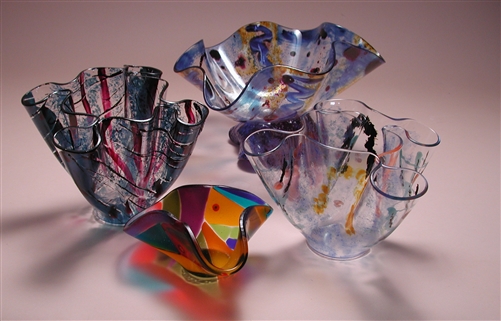
Glass slumping is an intricate art that transforms ordinary sheets of glass into stunning, curved masterpieces. This technique, cherished by glass artists, involves heating glass to a specific temperature until it softens and molds into a pre-shaped form. Slumping not only enhances the aesthetic appeal of glass but also expands the creative possibilities for artists. Elevating one’s artistry with slumping techniques requires a deep understanding of the process, careful selection of materials, and a creative vision. This article delves into the world of glass slumping, offering insights into techniques, tools, and tips for artists eager to explore this captivating form of glasswork.
Understanding the Slumping Process
The slumping process is a delicate balance of time, temperature, and technique. It’s essential to understand the key components to achieve the desired outcome:
- Temperature Control: Precision is crucial. The glass must be heated gradually to prevent cracking or distortion.
- Choice of Mold: The shape and material of the mold significantly influence the final product.
- Annealing: Proper cooling is necessary to relieve internal stresses in the glass.
For a comprehensive understanding of the slumping process, discover expert strategies here.
Choosing the Right Tools and Materials
Selecting the appropriate tools and materials is vital for successful glass slumping. Consider the following:
- Types of Glass: Different glass types react uniquely to heat, with variations in melting points and color stability.
- Molds: Ceramic, stainless steel, or refractory molds each offer distinct benefits and limitations.
- Tools: Essential tools include kilns with precise temperature controls, cutting tools, and safety equipment.
To learn about tailored solutions and the best materials for your projects, learn about our tailored solutions.
Advanced Techniques in Glass Slumping
Once the basics are mastered, artists can explore advanced slumping techniques to further enhance their work:
Layering for Depth
By stacking different colors and textures of glass, artists can create intricate designs with depth and dimension. This technique requires meticulous planning and precise execution to ensure the layers fuse correctly.
Combining Slumping with Fusing
Integrating slumping with glass fusing allows artists to embed designs within the glass, creating unique patterns and visual effects. This method broadens the scope of creativity, offering endless possibilities.
Artists looking to refine their skills and explore these techniques can explore advanced guides and tips.
Tips for Successful Glass Slumping
Success in glass slumping requires practice, patience, and attention to detail. Here are some tips to ensure successful outcomes:
- Experiment with Small Pieces: Begin with smaller projects to hone skills and understand the nuances of the process.
- Maintain a Clean Workspace: Dust and debris can affect the quality of the glass surface.
- Keep a Detailed Record: Documenting temperatures, times, and outcomes helps refine techniques over time.
For more insights on improving your glass artistry, find out more about this approach.
Glass slumping is a rewarding technique that adds a new dimension to glass artistry. With the right knowledge, tools, and techniques, artists can create captivating works that captivate and inspire. Whether a novice or a seasoned artisan, the journey into glass slumping promises growth and artistic fulfillment.