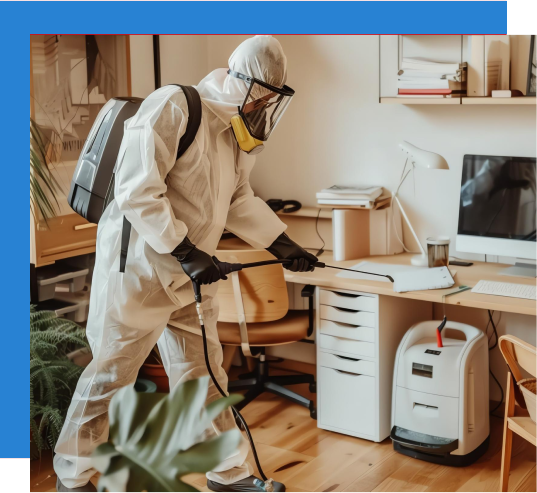
Ant infestations are a common nuisance for many households and businesses. These tiny intruders can quickly become a big problem if not addressed promptly and effectively. Ants are not just a domestic issue; they can also affect commercial spaces, leading to significant inconvenience and potential financial loss. Understanding the best pest control methods for ants is crucial to ensuring they are eradicated efficiently and do not return. This article explores proven techniques for ant control, ensuring a safe and pest-free environment.
Understanding the Ant Problem
Before implementing any pest control measures, it is essential to understand the problem fully. Different species of ants may require different strategies for control. Identifying the type of ant is the first step in selecting the most effective treatment method. Key factors to consider include:
- The species of ant involved.
- The scale and location of the infestation.
- Environmental factors that may affect the choice of treatment.
For more detailed information on identifying and understanding ant behavior, discover expert strategies here.
Non-Chemical Control Methods
Some of the most effective ant control techniques involve non-chemical methods, which are environmentally friendly and safe for households with pets and children. These methods include:
1. Physical Barriers
Creating physical barriers can prevent ants from entering premises. Sealing cracks and crevices, especially around doors and windows, is an effective way to block entry points.
2. Removal of Food Sources
Ants are primarily attracted to food. Ensuring that food is stored in airtight containers and cleaning up crumbs and spills promptly can significantly reduce ant attraction.
3. Natural Deterrents
Utilizing natural deterrents such as vinegar, lemon juice, and essential oils like peppermint can deter ants from entering treated areas. These substances can be sprayed around entry points as a preventive measure.
Chemical Control Methods
In cases where non-chemical methods are insufficient, chemical methods may be necessary. It is important to use these responsibly and in accordance with safety guidelines.
1. Bait Stations
Bait stations are an effective way to control ant populations. These contain a slow-acting poison that ants carry back to their colony, effectively reducing the entire population over time. Find out more about this approach.
2. Insecticide Sprays
Insecticide sprays can be used to eliminate visible ants and treat areas where ants are frequently seen. These should be used as a targeted treatment to avoid potential harm to non-target species.
3. Professional Pest Control Services
For severe infestations, professional pest control services offer tailored solutions that are both effective and safe. Learn about our tailored solutions for comprehensive pest management.
Preventive Measures
Once the ant problem is under control, implementing preventive measures is crucial to ensure they do not return. Consider the following:
- Regularly inspect and maintain property barriers to keep them ant-proof.
- Keep food preparation and storage areas clean and free of crumbs.
- Monitor and maintain bait stations as needed to catch any early signs of re-infestation.
For additional preventive strategies and tips, explore advanced guides and tips.
Conclusion
Effective ant control requires a combination of understanding ant behavior, implementing strategic control measures, and maintaining preventive practices. Utilizing a mix of non-chemical and chemical treatments can lead to successful eradication and long-term prevention of ant infestations. By staying informed and proactive, it is possible to keep spaces ant-free and maintain a healthy environment. For those seeking professional guidance, numerous resources are available to aid in effective pest management.