Undergoing renovations can be a daunting task, especially when considering the potential damage that can occur to a roof during the process. Ensuring the longevity and durability of a roof is crucial, and using a roofing tarp can be an effective solution to protect the structure from adverse weather conditions and debris. This guide is designed to provide practical insights into the optimal use of roofing tarps, ensuring that renovations proceed smoothly and efficiently.
Understanding Roofing Tarps
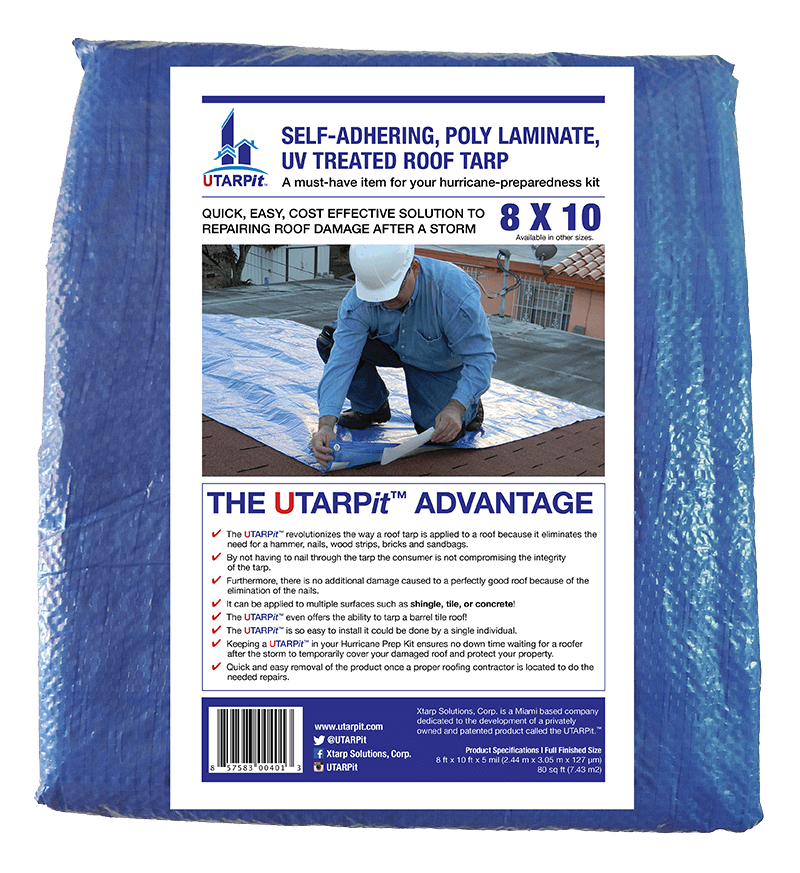
A roofing tarp is a robust, weather-resistant sheet designed to cover and protect roofs during renovations or repairs. It serves as a barrier against rain, wind, and debris, ensuring that the structural integrity of the house is maintained throughout the renovation process.
Why Use Roofing Tarps?
Roofing tarps are essential for several reasons, such as:
- Protection against water damage during unexpected rain showers.
- Prevention of debris accumulation that can damage roof surfaces.
- Providing an added layer of security for exposed areas during construction.
- Ensuring safety for workers by preventing slips and falls on uneven surfaces.
Choosing the Right Roofing Tarp
Selecting the appropriate roofing tarp is crucial to achieving the desired protection. Consider the following factors when making a choice:
Material and Durability
Opt for a tarp made from high-quality, durable materials such as polyethylene or vinyl. These materials offer excellent resistance to tears and punctures, ensuring long-lasting protection. For more details on selecting the right tarp, explore this roofing tarp option.
Size and Coverage
Ensure the tarp is large enough to cover the entire roof area that needs protection. Measure the dimensions accurately and consider purchasing a slightly larger tarp to account for variations in roof size and shape.
Weather Resistance
A tarp’s ability to withstand various weather conditions is crucial. Look for tarps that offer UV resistance, waterproofing, and wind resistance to ensure complete protection.
Installing Roofing Tarps
Proper installation is key to maximizing the effectiveness of a roofing tarp. Follow these steps for a secure installation:
Preparation
- Ensure the roof surface is clean and free from debris before installation.
- Inspect the tarp for any damages or defects before use.
Securing the Tarp
- Position the tarp over the roof, ensuring it is centered and covers all exposed areas.
- Use heavy-duty staples or nails to secure the tarp edges to the roof structure.
- Employ additional securing methods, such as ropes or sandbags, to prevent the tarp from being lifted by strong winds.
Maintenance and Care
Regular maintenance of the roofing tarp ensures its longevity and effectiveness. Consider these maintenance tips:
- Inspect the tarp periodically for any signs of wear and tear.
- Clean the tarp using mild soap and water to remove dirt and debris.
- Store the tarp in a dry, cool place when not in use to prevent mold and mildew growth.
Conclusion
Utilizing a roofing tarp during renovations is an invaluable strategy to protect your property from potential damage. By selecting the right tarp and ensuring proper installation and maintenance, property owners can safeguard their investment and ensure a seamless renovation process. For those seeking high-quality options, further information on selecting a suitable roofing tarp can be found through trusted resources.