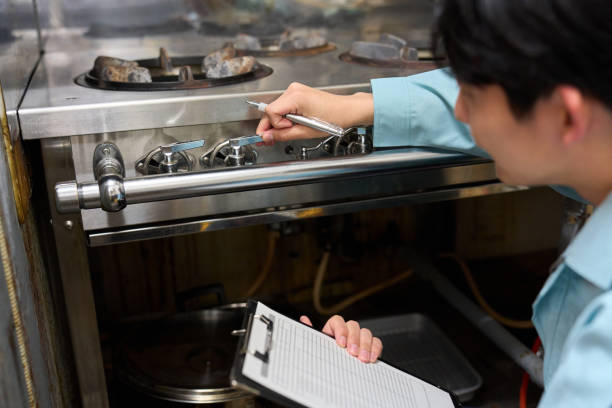
The efficient operation of a commercial kitchen hinges on the reliability and functionality of its equipment. When equipment breaks down, it can disrupt service, affect food quality, and ultimately impact customer satisfaction. Thus, understanding essential tips for commercial kitchen repair is crucial for maintaining the smooth running of kitchen operations. This article aims to provide valuable insights into keeping kitchen equipment in optimal condition, ensuring safety and efficiency.
Understanding Common Equipment Issues
Commercial kitchen equipment, ranging from ovens to refrigerators, can experience a variety of issues due to continuous use. Understanding these common problems is the first step in effectively addressing them.
- Wear and Tear: Over time, parts may degrade, affecting performance.
- Electrical Failures: Fluctuations or faults in electrical supply can lead to equipment malfunction.
- Leaks: Water or gas leaks can pose significant safety risks.
- Temperature Irregularities: Inconsistent temperatures can compromise food safety.
Preventive Maintenance Strategies
Preventive maintenance is key to avoiding unexpected breakdowns. Implementing a structured maintenance plan can extend equipment lifespan and reduce repair costs.
Regular Inspections
Schedule regular inspections to identify potential issues before they escalate. This includes:
- Checking for signs of wear and tear.
- Ensuring electrical connections are secure.
- Inspecting seals and gaskets for leaks.
Scheduled Cleaning
Keeping equipment clean is fundamental in preventing operational issues. Establish a cleaning schedule that includes:
- Daily cleaning of cooking surfaces and counters.
- Weekly deep cleaning of ovens, fryers, and grills.
- Monthly checks and cleaning of refrigeration units.
Repair Best Practices
When repairs are necessary, following best practices can ensure the job is done efficiently and safely.
Engage Professional Services
While minor issues can be handled in-house, it’s prudent to engage professional services for more complex repairs. A professional can provide the expertise needed for comprehensive commercial kitchen repair, ensuring all equipment meets industry standards.
Documentation and Record Keeping
Maintain detailed records of all repairs and maintenance activities. This documentation can help:
- Track equipment performance over time.
- Identify recurring issues and address them promptly.
- Provide valuable insights for budgeting future maintenance costs.
Emphasizing Safety
Safety should be the priority in any commercial kitchen. Adopting safety measures not only protects the staff but also ensures compliance with health regulations.
- Training Staff: Ensure all staff members are trained on equipment use and safety protocols.
- Emergency Protocols: Establish clear procedures for responding to equipment failures or emergencies.
- Regular Safety Audits: Conduct audits to ensure all safety measures are up to date.
By implementing these essential tips, a commercial kitchen can maintain its equipment effectively, ensuring a seamless operation that meets the highest standards of quality and safety. For more detailed guidance on maintaining commercial kitchen equipment, consider consulting with industry professionals who specialize in commercial kitchen repair.