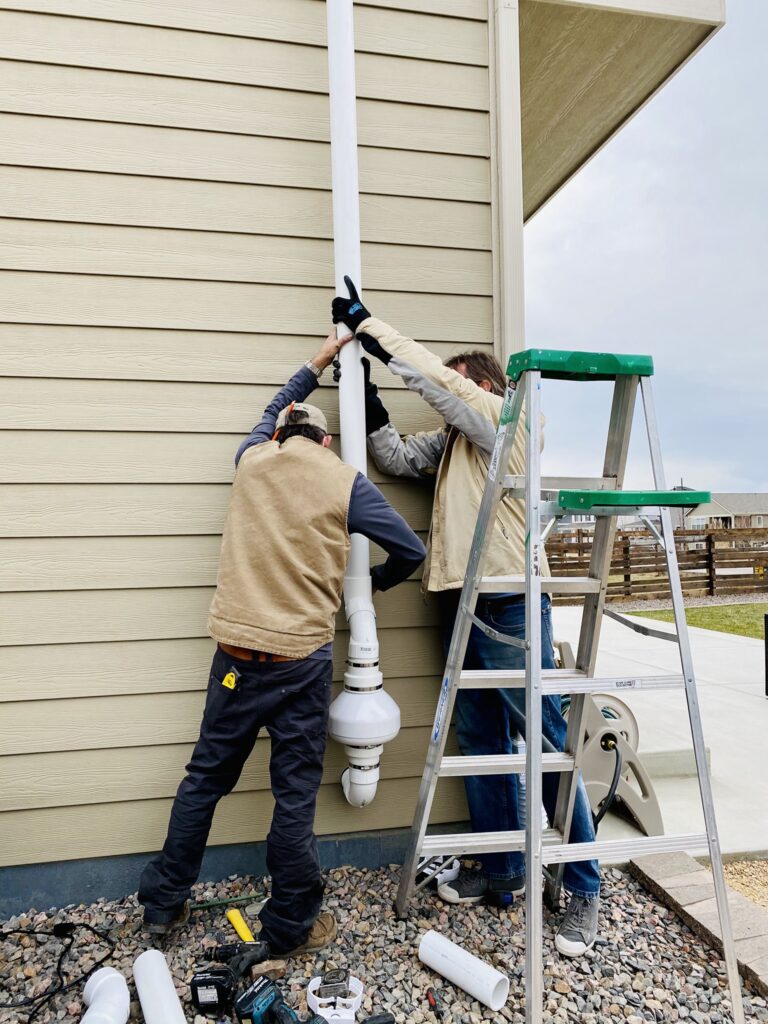
Radon exposure is a significant health concern, especially in areas like Denver, where natural uranium deposits in the soil and rocks can lead to elevated radon levels in homes. As a colorless and odorless gas, radon is challenging to detect without proper testing, yet its presence can significantly impact indoor air quality. Understanding the risks and implementing preventive measures is crucial to safeguarding the health of occupants. This article explores effective strategies for preventing radon exposure in Denver, providing actionable insights to maintain a safe living environment.
Understanding Radon and Its Health Risks
Radon is a naturally occurring radioactive gas that can accumulate in homes, especially in basements and lower levels. Prolonged exposure to elevated radon levels increases the risk of lung cancer. According to the Environmental Protection Agency (EPA), radon is the second leading cause of lung cancer in the United States, after smoking. Therefore, it is essential to be informed about the potential dangers and take proactive steps to mitigate these risks.
The Importance of Radon Testing
Regular radon testing is the first step in preventing exposure. Testing can be done using DIY kits available at hardware stores or by hiring professional services. Here are key points to consider:
- Conduct radon testing during different seasons, as levels can vary with weather changes.
- Follow the EPA?s recommendation to test homes every two years, or after significant renovations.
- For accurate results, consider hiring certified radon measurement professionals.
Explore advanced guides and tips on effective radon testing methods.
Effective Radon Mitigation Strategies
Once elevated radon levels are detected, implementing mitigation strategies is crucial. Several approaches can effectively reduce radon levels in homes:
Sealing Entry Points
Radon enters homes through cracks and openings in the foundation. Sealing these entry points can significantly reduce radon infiltration:
- Seal cracks in floors and walls using appropriate materials.
- Install vapor barriers in crawl spaces to prevent radon entry from the ground.
- Ensure all plumbing pipes and electrical wiring are properly sealed where they penetrate the foundation.
For more detailed guidance, learn about our tailored solutions for sealing radon entry points.
Installing Radon Reduction Systems
Professional radon reduction systems are often necessary for significantly elevated radon levels. The most common systems include:
- Sub-slab depressurization, which involves installing a vent pipe system and fan to draw radon from beneath the house and vent it outside.
- Sub-membrane depressurization for homes with crawl spaces, using a similar venting method beneath a sealed plastic membrane.
- Active soil depressurization systems, which are highly effective and can be adapted to various home designs.
Find out more about this approach to radon reduction systems and their installation.
Maintaining a Radon-Safe Home
After implementing mitigation measures, maintaining a radon-safe environment is essential. Regular monitoring and maintenance can ensure continued safety:
- Retest radon levels periodically to ensure mitigation systems are effective.
- Conduct routine checks on mitigation system components, such as fans and vent pipes.
- Stay informed about new radon reduction techniques and technologies.
Discover expert strategies here for maintaining a radon-safe home environment.
In conclusion, preventing radon exposure in Denver requires a combination of testing, mitigation, and maintenance efforts. By understanding the risks and implementing effective strategies, homeowners can protect their families and maintain healthy indoor air quality. For comprehensive resources and professional assistance, consider exploring available expert guides and services tailored to your needs.